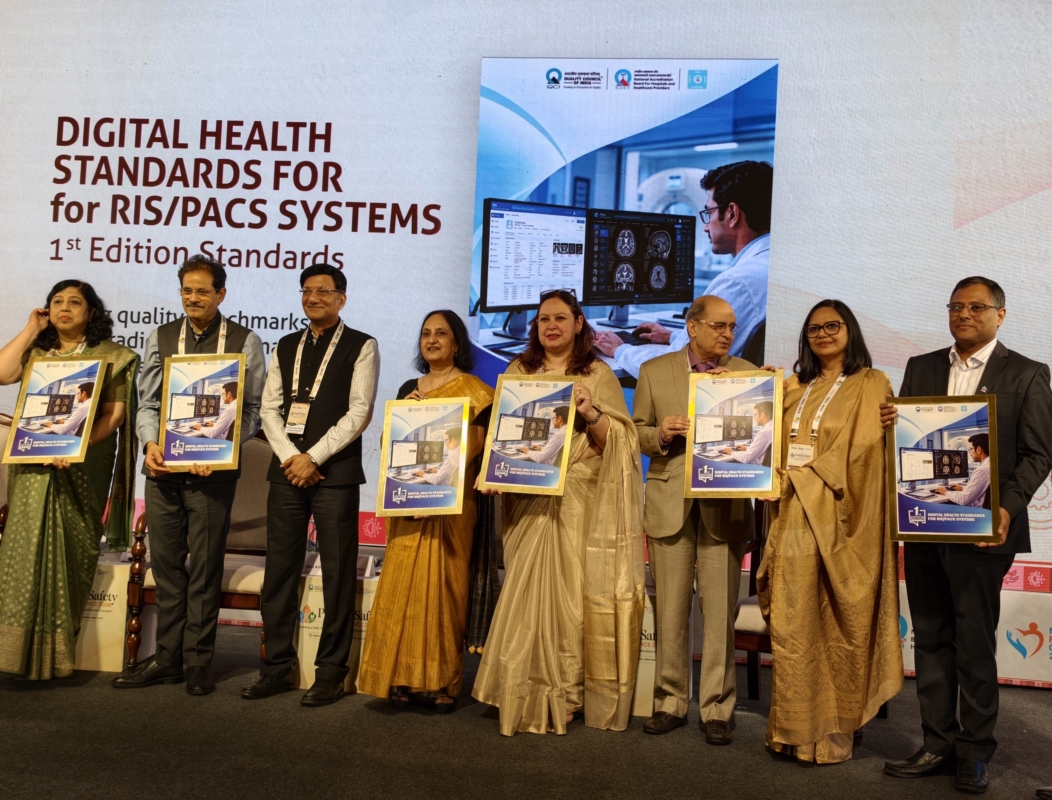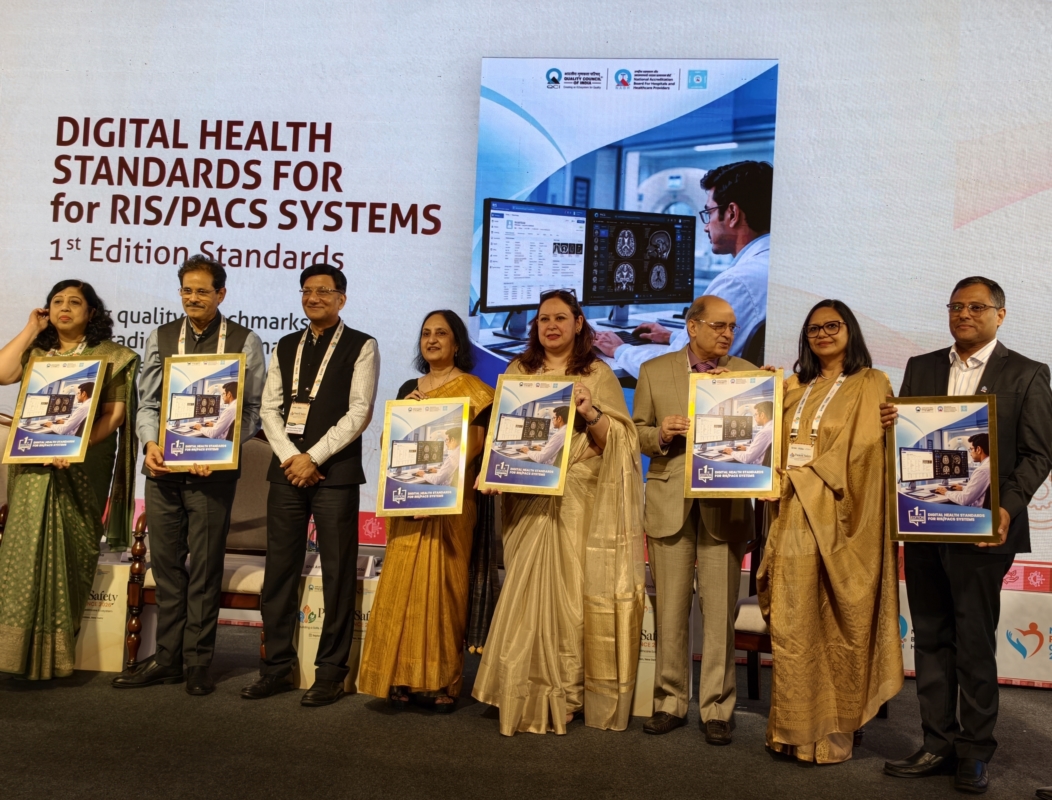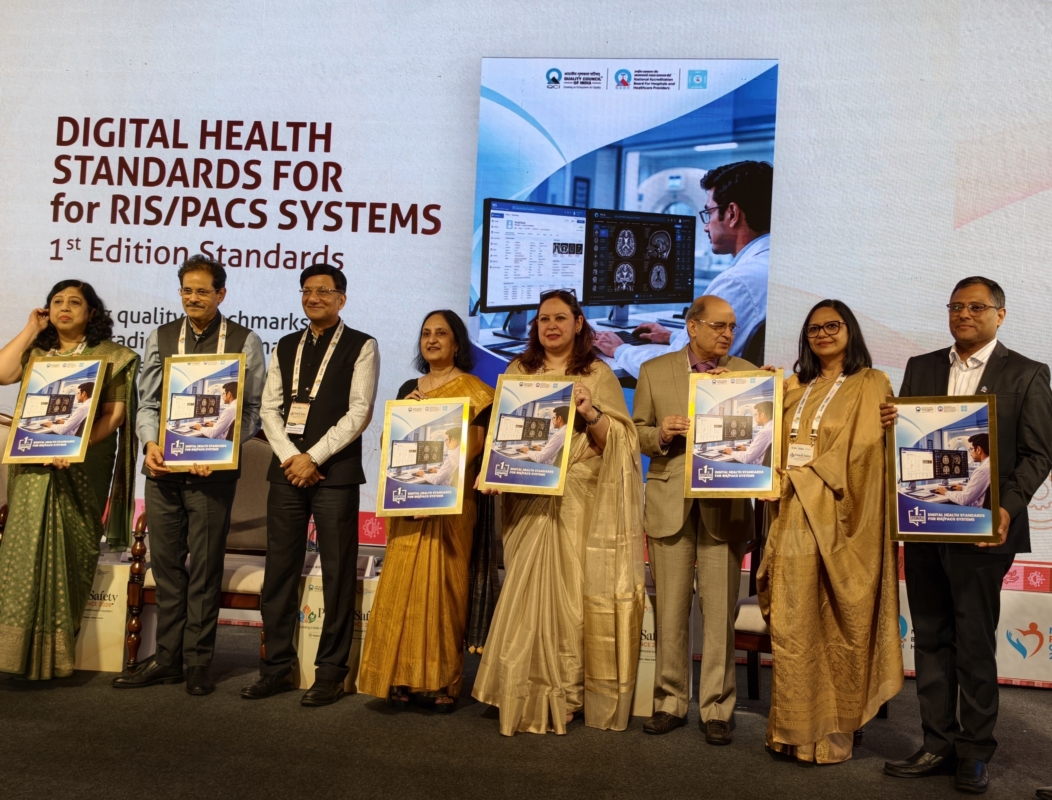


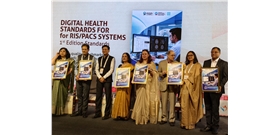
The National Cancer Grid – Koita Centre for Digital Oncology (NCG-KCDO), in collaboration with the National Accreditation Board for Hospitals & Healthcare Providers (NABH), has launched the RIS-PACS Standards, a comprehensive framework aimed at strengthening the adoption, standardization, and interoperability of digital radiology systems across healthcare institutions in India.
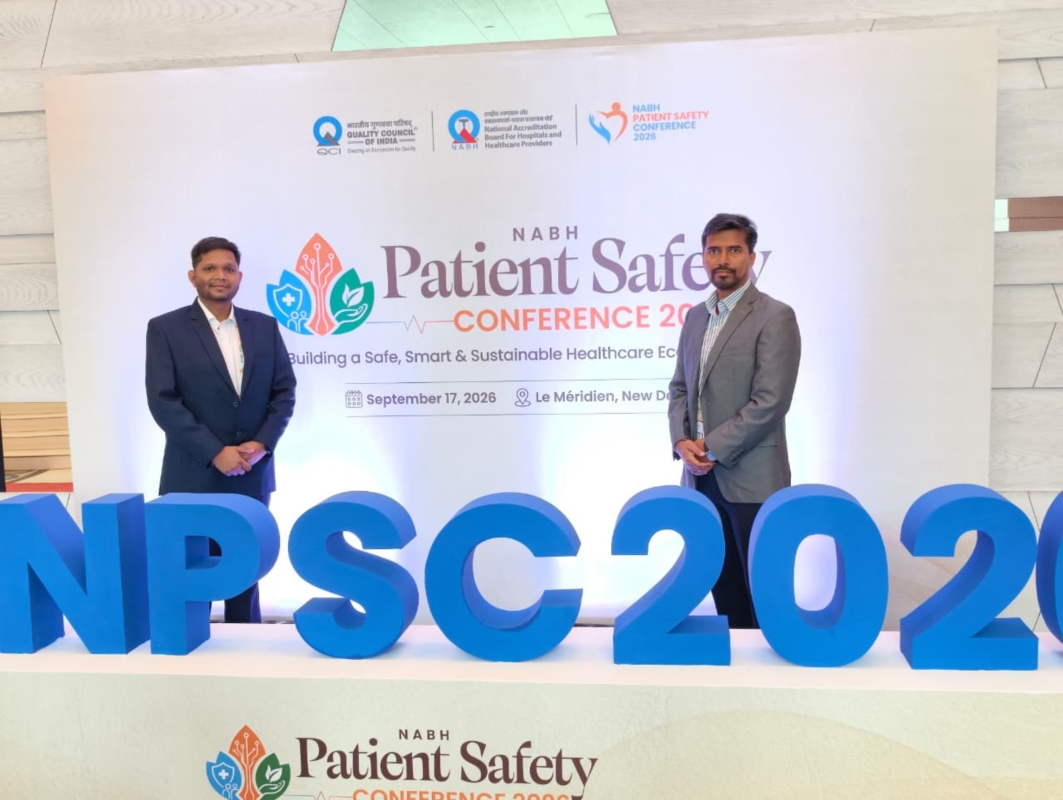
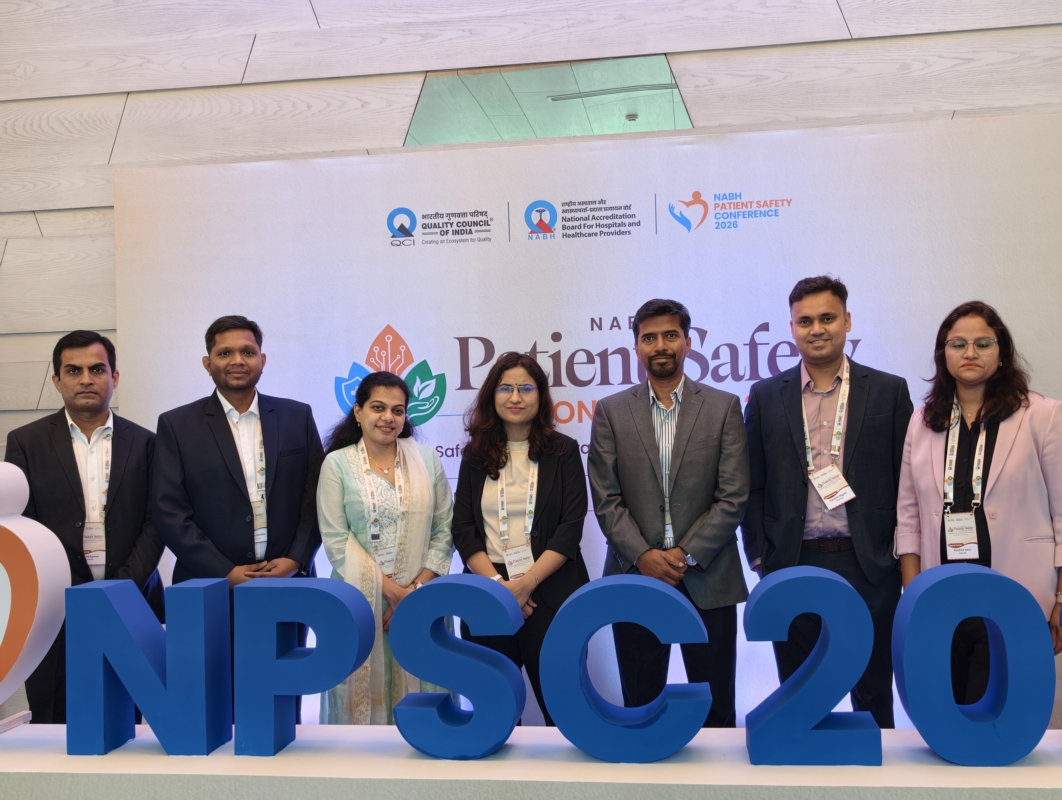
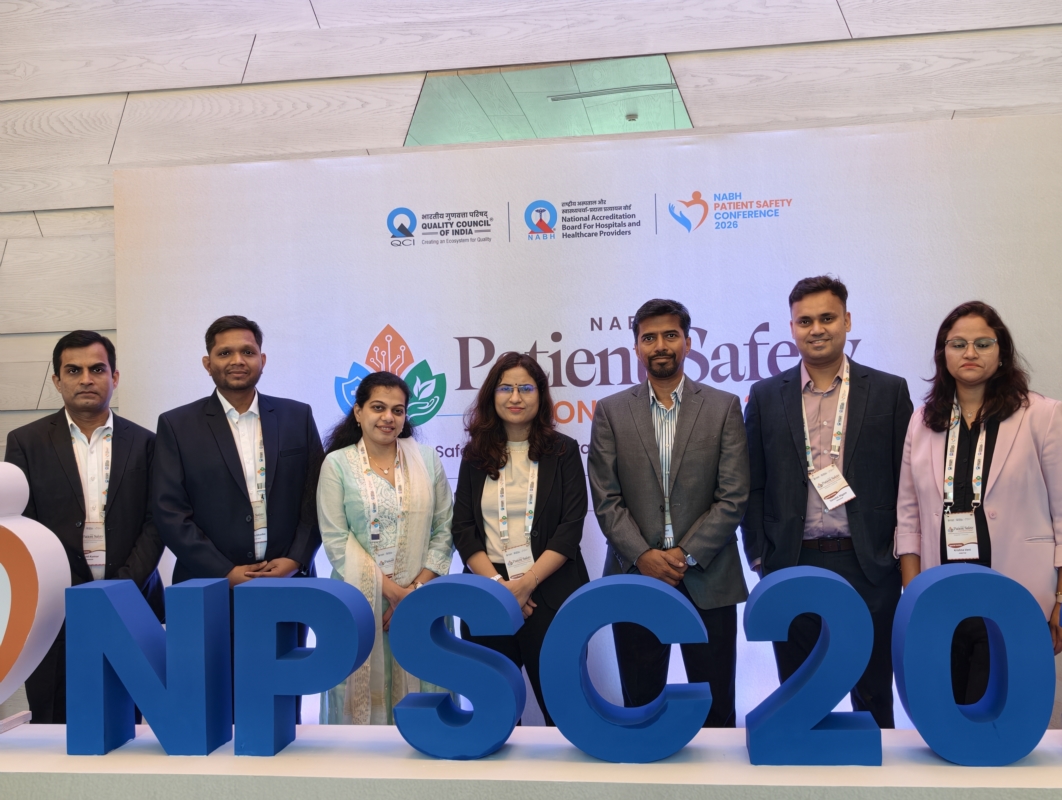
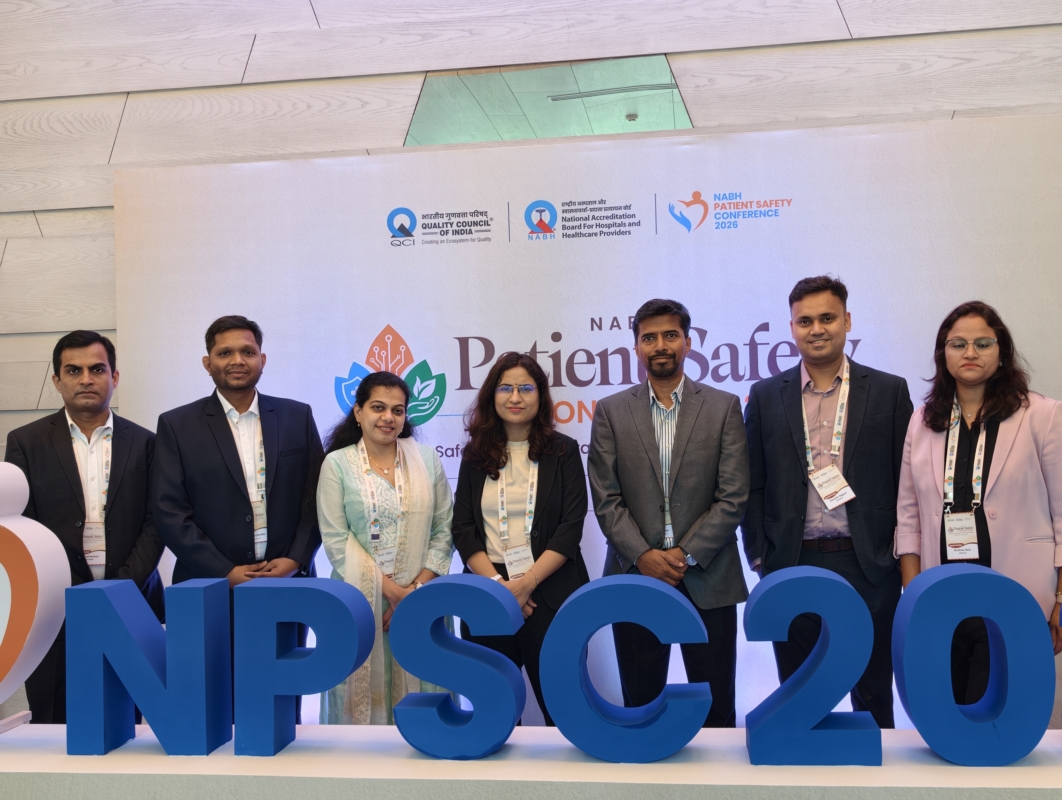
The standards were launched at the NABH Patient Safety Conference (NPSC 2026) at Le Méridien, New Delhi, in the presence of Shri Prataprao Ganpatrao Jadhav, Hon’ble Minister of State (Independent Charge), Ministry of Ayush; Shri Piyush Goyal, Hon’ble Minister of Commerce and Industry; Mr. Rizwan Koita, Chairman, NABH; and other distinguished dignitaries and healthcare leaders.
Radiology plays a central role across the cancer care pathway, from diagnosis and staging to treatment planning, response assessment, and follow-up. As healthcare institutions increasingly adopt digital radiology, the ability of different systems to function effectively, securely, and seamlessly together becomes critical. The Radiology Information System (RIS) and Picture Archiving and Communication System (PACS) form an important part of this digital ecosystem. However, institutions often have to navigate a wide range of technology solutions with varying capabilities, technical specifications, workflows, and interoperability features. The new RIS-PACS Standards aim to provide healthcare institutions with a structured framework to define their requirements and assess RIS-PACS solutions in a systematic manner.
The framework covers key areas including:
The standards are intended to be relevant across small, medium, and large hospitals, helping institutions identify requirements appropriate to their size, clinical needs, infrastructure, and digital maturity.
An important aspect of the framework is the incorporation of oncology-specific requirements. Cancer care generates complex imaging requirements across multiple stages of the patient journey. Radiology systems need to support not only image acquisition and storage, but also the workflows required for multidisciplinary care, longitudinal assessment, reporting, and integration with other clinical systems. The inclusion of oncology-specific considerations within the RIS-PACS framework is therefore intended to support the evolving digital needs of cancer institutions and contribute to the broader digital transformation priorities of NCG-empanelled centres.
The RIS-PACS Standards have been developed through extensive consultations bringing together perspectives from across the healthcare and technology ecosystem. The process involved clinical experts, radiology professionals, members of the NCG RIS-PACS Sub-Committee, NABH representatives, and industry stakeholders. This collaborative approach has helped bring together clinical, operational, accreditation, and technology perspectives, with the objective of creating a practical framework that can support institutions in planning, procuring, implementing, and evaluating RIS-PACS solutions.
The launch of the RIS-PACS Standards represents an important step towards creating greater consistency in how digital radiology systems are evaluated and implemented across healthcare institutions.By providing a common reference framework, the standards can support hospitals in making more informed technology decisions while encouraging interoperability, scalability, security, and standardized digital workflows. For the NCG network, the initiative also contributes to the larger goal of strengthening digital infrastructure and enabling technology-enabled cancer care across institutions of varying sizes and levels of digital maturity.
NCG-KCDO and NABH acknowledge and appreciate the contributions of the NCG RIS-PACS Sub-Committee, clinical and radiology experts, NABH representatives, and industry stakeholders who contributed their expertise and insights to the development of the standards. The launch marks a collaborative step towards advancing standardized, interoperable, and scalable digital radiology infrastructure in India, with the potential to support healthcare institutions in building stronger digital ecosystems for patient care, clinical collaboration, and the future of connected healthcare.
Back